Stigg Announcements
Reserve & Settle and Governance: Spend Control for the Agent Era
Reserve & Settle and Governance give you control over AI spend at every level, from each agent run to every team, user, and agent in your customer's org.

Stigg now supports AUDR in both directions: the Agent SDK emits AUDR records, and Stigg ingests them, so you can act on every agent run.



Chargebee recently introduced AUDR (Agent Usage Detail Record), an open format for reporting agent usage across the systems an agent run touches. Stigg now supports it in both directions: the Stigg Agent SDK can emit AUDR records, and Stigg can receive them from any application that already produces them.

Helping AI companies see what every agent run costs, and decide in real time whether to grant it, deny it or bill for it has always been at the heart of our mission, and we are here to adapt anything that can support that.
The teams we work with run agents across many providers, gateways and tools, and they want usage data in a format their whole stack can read. Because AUDR is open, standardized and vendor-neutral, that data isn't tied to any single tool, which makes it easy to extend your stack as your needs change. Supporting it is one more way to meet teams where they are, and we're glad to contribute alongside others in the ecosystem.
For the format itself, including its spec, schema and design decisions, see openaudr.dev.
The Stigg Agent SDK wraps the model client you already use. It checks access before each call and meters what the call used afterward. It can now also write an AUDR record for every call it meters and pass it to your AUDR client, so any application that reads AUDR gets the full picture of each run. To enable AUDR reporting, add this when you create the SDK:
audr: { client, environment }
The SDK covers more than 20 LLM providers, gateways and frameworks, including Anthropic, OpenAI, Gemini, OpenRouter, LiteLLM, Amazon Bedrock, Databricks, LangChain, LangGraph, Google ADK and the Vercel AI SDK. That extends AUDR records to parts of your stack its native adapters don’t cover yet.
If your application already emits AUDR, you can add Stigg as another sink. Your records keep flowing wherever they go today, and Stigg ingests them as usage, so the budgets and limits you set for agent governance reflect every run.
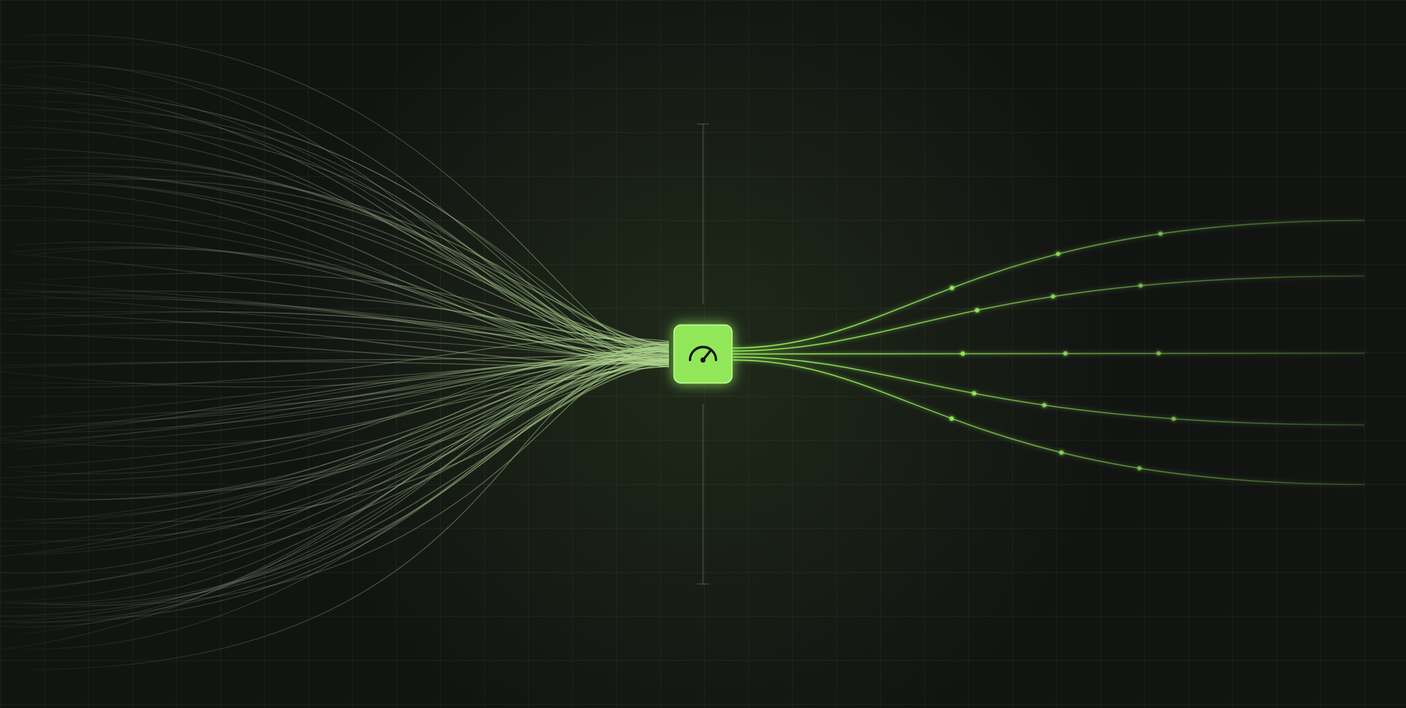
A usage record tells you what happened. Stigg lets you act on it. With the Agent SDK in the loop, every call can be granted, denied or billed before it runs, at high scale and low latency, and at any granularity you need, whether that’s a single customer, a team, an agent or a model.
In practice, that looks like:
AUDR support is available to all Stigg customers today.
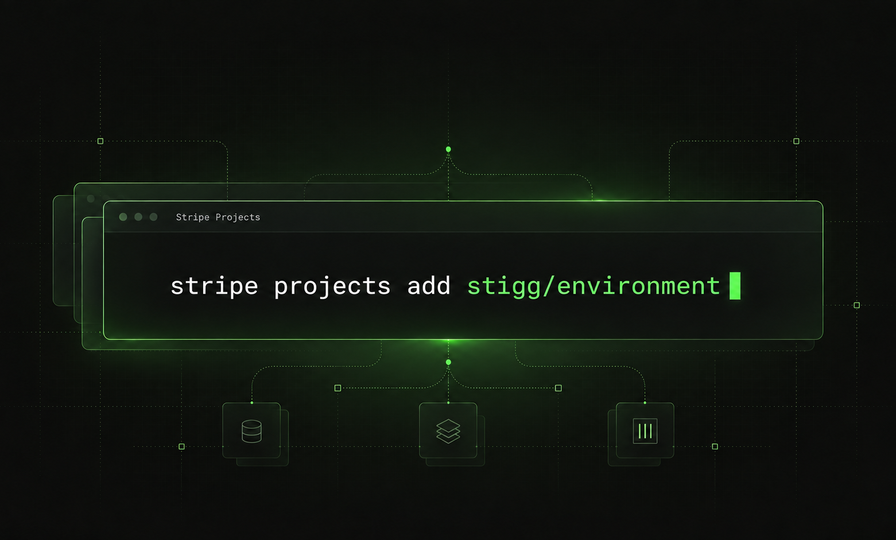
npm install @stigg/agent-sdk-js
Integrate the Stigg Agent SDK into your agents today, and get one record of who ran every agent and what it cost, plus the controls to act on it.