.png)
Product Updates
The Contract Is the Source of Truth
Entitlements provisioned, usage metered, customers invoiced. Received.ai is now part of Stigg, and enterprise billing runs on one platform.

The Billing Burden No One Talks About


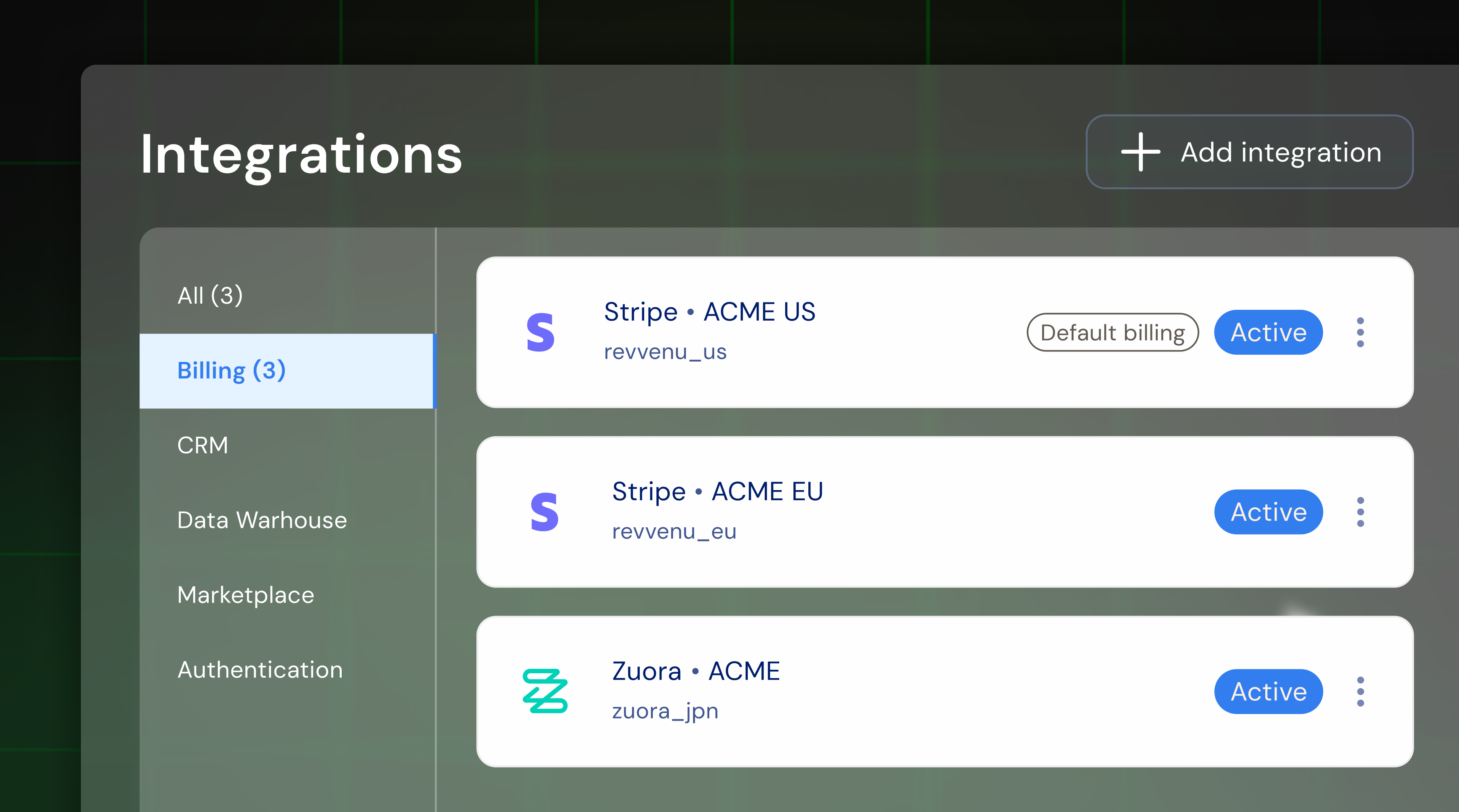
You’ve just been asked to start billing APAC customers through your Asia-Pacific entity. Should be straightforward.
Until you realize your current billing system isn’t set up for that entity. So now you’re integrating a second billing provider — just to support one region.
Your code starts filling up with edge cases.
Subscription data is scattered.
Entitlements are drifting out of sync.
And suddenly you’re one API mismatch away from a fire.
And it rarely stops there.
Your company acquires a new product line — using a different billing system entirely. Now your team is stitching systems together, writing sync scripts, and manually reconciling records.
Billing stops being “just billing.” It becomes infrastructure — and the kind that’s slowing you down.
Custom logic, brittle workarounds, and growing technical debt — all just to keep the lights on.
We built Stigg’s Billing Orchestration to solve this problem at the foundation.
It’s a unified abstraction layer over multiple billing systems — letting you plug in any provider, route subscriptions intelligently, and keep your entitlements and monetization logic clean and consistent.
One API.
Seamless multi-billing support.
A single source of truth for subscriptions and entitlements.
Just as infrastructure evolved from monoliths to microservices, billing needs its own architectural leap.
Billing Orchestration is that next step — a composable layer designed to sit between your product and your billing systems, giving you full control and flexibility without rewriting everything from scratch.
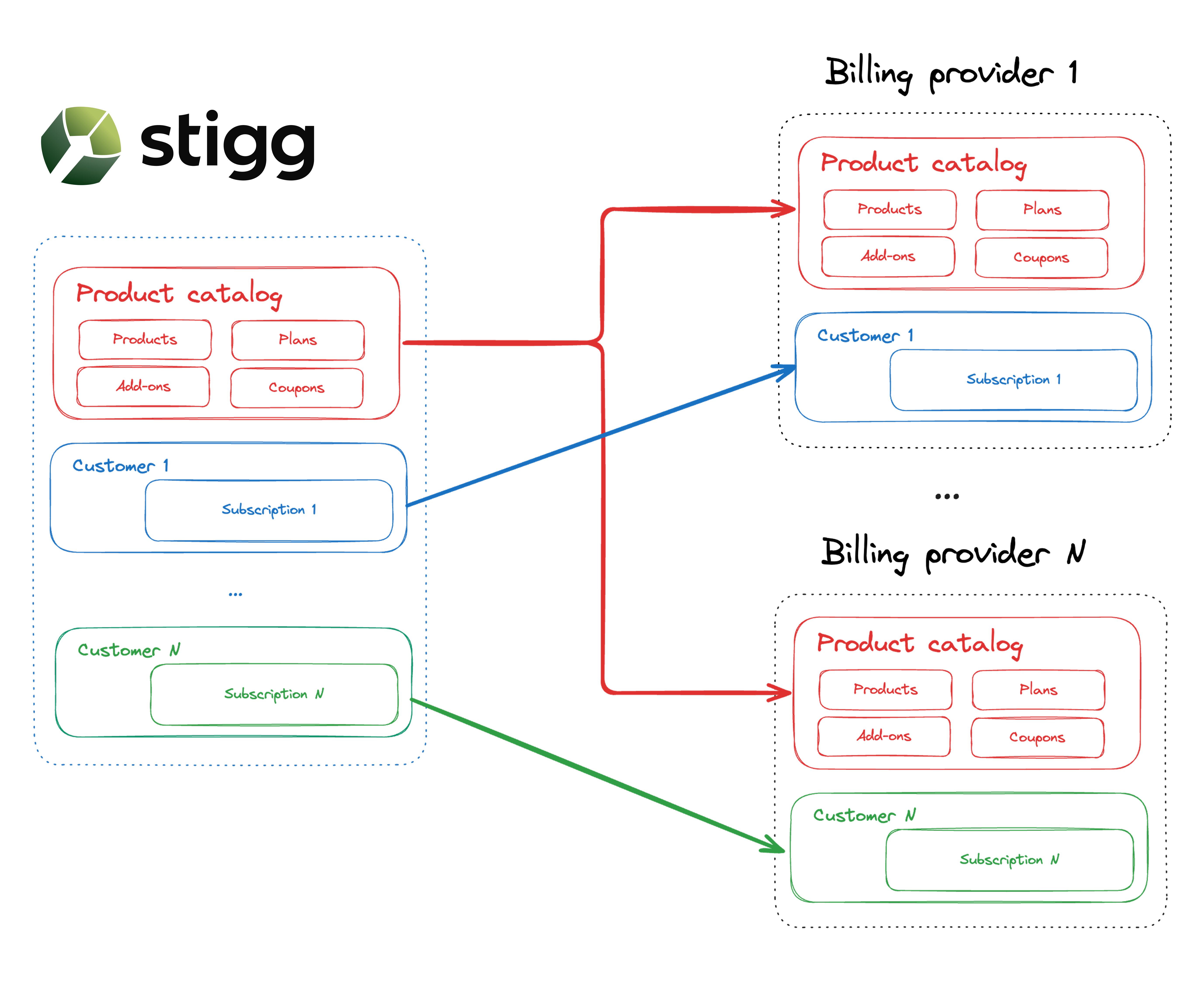
With Billing Orchestration, you can:
It’s not just a new tool — it’s a new approach to thinking about billing in modern product infrastructure.
If you operate globally or across product lines, you’ve likely run into one or more of these:
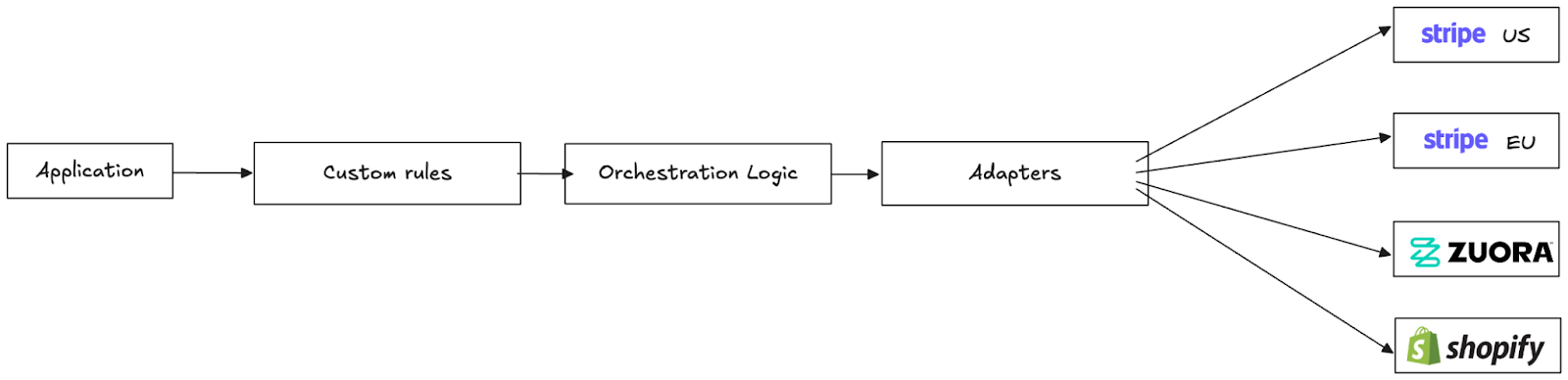
This complexity isn’t just annoying — it compounds. And over time, it slows you down, introduces risk, and forces teams into reactive mode.
Billing Orchestration abstracts that mess. You keep control — without managing it all manually.
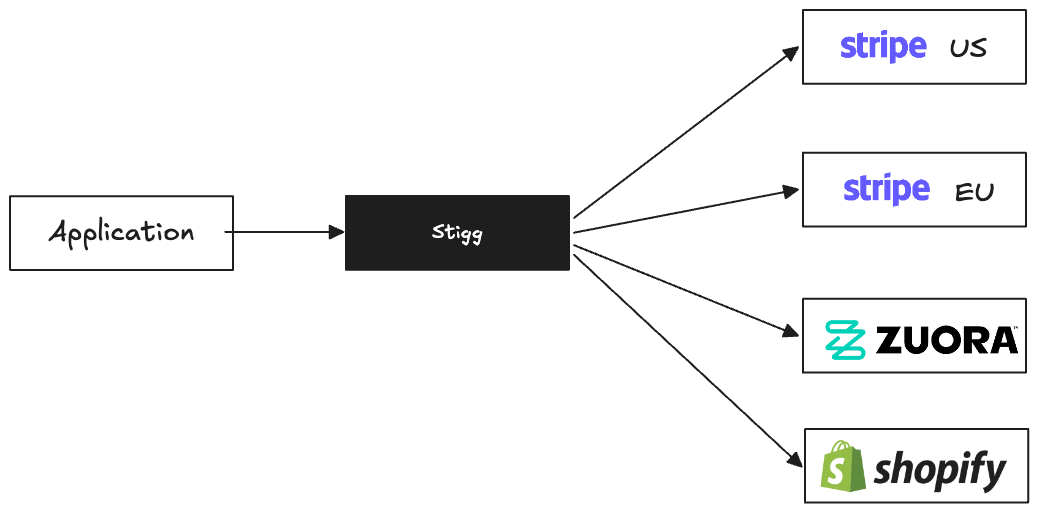
The days of being tied to a single billing system — or duct-taping three of them together — are numbered.
Modern monetization needs flexibility:
If your engineering team is buried under billing complexity — Billing Orchestration was built for you.
We’re excited to make this available today.
Check out the docs or book time with our team to learn more.

.png)